

Pulses Quality, Standards
Pulses Standards
This category is for specification of agricultural commodities: Beans, Faba Beans, Kidney Beans, Beans, Chickpea, Lentils, Lupine, Peas, Sainfoin, Vetch. Shipments are in big bag, 25/50 kg PP bags on Incoterms 2010 basis (DDU, CFR, CIF).by vessels, containers, trucks. The SELLER are to be ready to offer/ SCO, negotiate terms of the contract to sell, supply, transfer commodities. The Buyer are to be ready to buy/ LOI, purchase and receive commodity. Consignment of goods is to be accompanied by the set of the original documents. Payment: Cash Against Documents, Letter of Credit at sight. A pulse is an annual leguminous crop yielding from one to twelve grains or seeds of variable size, shape, and color within a pod. Pulses are used for food and animal feed.
- Details
- Parent Category: Agricultural Standards
- Category: Pulses Standards
- Hits: 11185
We are trading, selling and buying Chickpea with buyers and sellers in Europe, Asia, Africa, Middle East and America shipping to any save word port by containers, trucks or by vessels. Packing is in bulk, big bag or 25/ 50 kg PP bags. Delivery could be as per Incoterms 2010 (FCA, FAS, FOB, DAP, CFR, CIF) to ASWP (any save word port) by containers, trucks or by vessels. Please visit Trade section for trade.
Ordinary Quality: Moisture: 14%, max.; Foreign matters: 2%, max.; Broken kernels: 5%, max.; Damaged kernels: 5% max.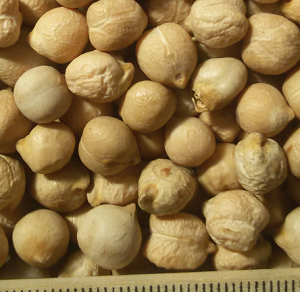
Size of Chickpea 6+, 8+, 10+ or Chickpea Caliber count : 75-80, 58-60, 44-46,42-44, 40-42;
Types of Chickpeas
- There are two types of chickpeas: desi and kabuli.
- Details
- Parent Category: Agricultural Standards
- Category: Pulses Standards
- Hits: 7744
Faba Beans
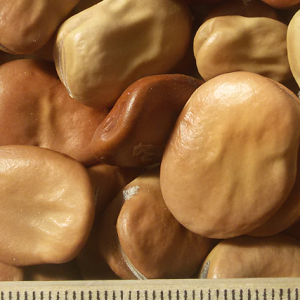
Quality:
Moisture max 14%;
Foreign matter max 2%;
Grain Admixture max 5%;
Broken Kernels max 5%;
- Details
- Parent Category: Agricultural Standards
- Category: Pulses Standards
- Hits: 3264
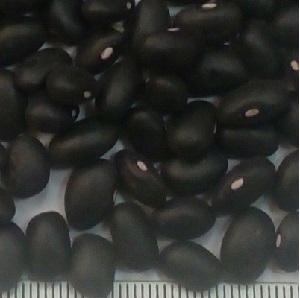
Black Kidney Beans
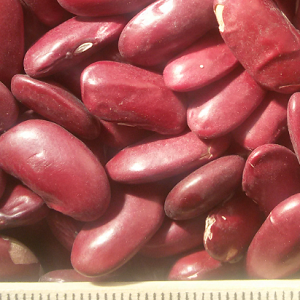
Red Kidney Beans
- Details
- Parent Category: Agricultural Standards
- Category: Pulses Standards
- Hits: 7369
We are trading, selling and buying Red Lentils and Green Lentils in bulk, big bag or 25/ 50 kg PP bags. with buyers and sellers in Europe, Asia, Africa, Middle East and America shipping to any save word port by containers, trucks as per Incoterms 2010 (FCA, FAS, FOB, DAP, CFR, CIF) to ASWP (any save word port) by containers, trucks or by vessels. Prices are negotiable and valid limited time only or until stock is last. Payments could be done by LC at sight (Letter of Credit) with UCP 600 apply, CAD (cash against documents), CAFD, T/T. Quality: Moisture max 10%; Purity min 98%; Packing - 50 kg PP bags. Samples are available upon request and cost of delivery to be paid by buyer but quality will be based in the contract concluded. Please visit Trade section for trade.
Red Lentils (crimson No 2 Canada)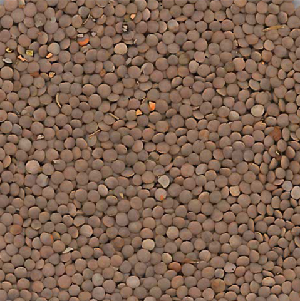
Red Lentils Ukraine
- Details
- Parent Category: Agricultural Standards
- Category: Pulses Standards
- Hits: 10240
We are trading, selling and buying Whole and Split Yellow Peas and Whole and Split Green Peas (Standards ISO 605 and Russian standard GOST 28674-90 PEAS) with buyers and sellers in Europe, Asia, Africa, Middle East and America shipping to any save word port by containers, trucks or by vessels. Packing is in bulk, big bag or 25/ 50 kg PP bags. Delivery could be as per Incoterms 2010 (FCA, FAS, FOB, DAP, CFR, CIF) to ASWP (any save word port) by containers, trucks or by vessels. Please visit Trade section for trade.
Basic Quality for contracts: Moisture: Max 14%; Admixture : Max 2%; Broken Kernels : Max 5%; Damaged Kernels : Max 5%; including damaged by bruhus: max 2 %; Other Color : Max 3%; Free from abnormal smell. 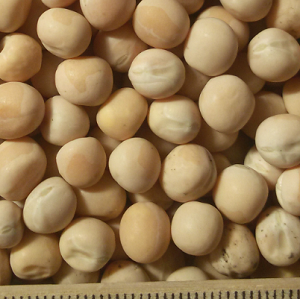
Split Yellow Peas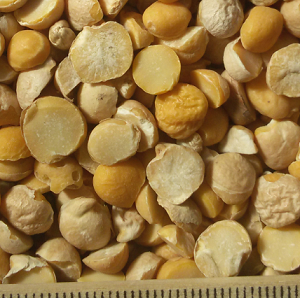
Green Peas
- Details
- Parent Category: Agricultural Standards
- Category: Pulses Standards
- Hits: 10931
Classification. Variety of pulses recognizes 11 primary pulses.
1.Dry beans (Phaseolus spp. including several species now in Vigna)
- Kidney bean, haricot bean, pinto bean, navy bean (Phaseolus vulgaris)
- Lima bean, butter bean (Phaseolus lunatus)
- Azuki bean, adzuki bean (Vigna angularis)
- Mung bean, golden gram, green gram (Vigna radiata)
- Black gram, Urad (Vigna mungo)
- Scarlet runner bean (Phaseolus coccineus)
- Ricebean (Vigna umbellata)
- Moth bean (Vigna acontifolia)
- Tepary bean (Phaseolus acutifolius)
2.Dry broad beans (Vicia faba)
- Horse bean (Vicia faba equina)
- Broad bean (Vicia faba)
- Field bean (Vicia faba)
3.Dry peas (Pisum spp.)
- Garden pea (Pisum sativum var. sativum)
- Protein pea (Pisum sativum var. arvense)
4.Chickpea, Garbanzo, Bengal gram (Cicer arietinum)
5.Dry cowpea, Black-eyed pea, blackeye bean (Vigna unguiculata )
6.Pigeon pea, Arhar /Toor, cajan pea, congo bean (Cajanus cajan)
7.Lentil (Lens culinaris)
8.Bambara groundnut, earth pea (Vigna subterranea)
9.Vetch, common vetch (Vicia sativa)
10.Lupins (Lupinus spp.)
- Details
- Parent Category: Agricultural Standards
- Category: Pulses Standards
- Hits: 7473
We are trading, selling and buying Vetch with buyers and sellers in Europe, Asia, Africa, Middle East and America shipping to any save word port by containers, trucks or by vessels. Packing is in bulk, big bag or 25/ 50 kg PP bags. Delivery could be as per Incoterms 2010 (FCA, FAS, FOB, DAP, CFR, CIF) to ASWP (any save word port) by containers, trucks or by vessels. Prices are negotiable and valid limited time only or until stock is last. Payments could be done by LC at sight (Letter of Credit) with UCP 600 apply, CAD (cash against documents), CAFD, T/T. Samples are available upon request and cost of delivery to be paid by buyer but quality will be based in the contract concluded. Please visit Trade section for trade. Ordinary Quality: Moisture max 14%; Purity min 98%;
Vetch dark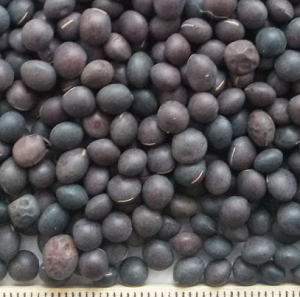
Vetch mix